What to Wear to No-Gi BJJ: Rash Guard, Shorts, Spats and What to Skip
The no-gi dress code for your first class or open mat: why a rash guard, which shorts are allowed, when spats make sense, what gets you sent to change.
No-gi BJJ has a dress code, it is just nobody wrote it down for you. Show up in a cotton t-shirt and basketball shorts and you will survive the class, but you will spend it soaked, sliding, and getting a finger caught in your own pocket. Here is what people actually wear to no-gi, why, and what to leave at home.
The short answer: a rash guard on top, grappling shorts or spats on the bottom, nothing with pockets, zippers or metal, and a mouthguard. The long answer is below, with the competition rules for anyone planning to sign up for a tournament.
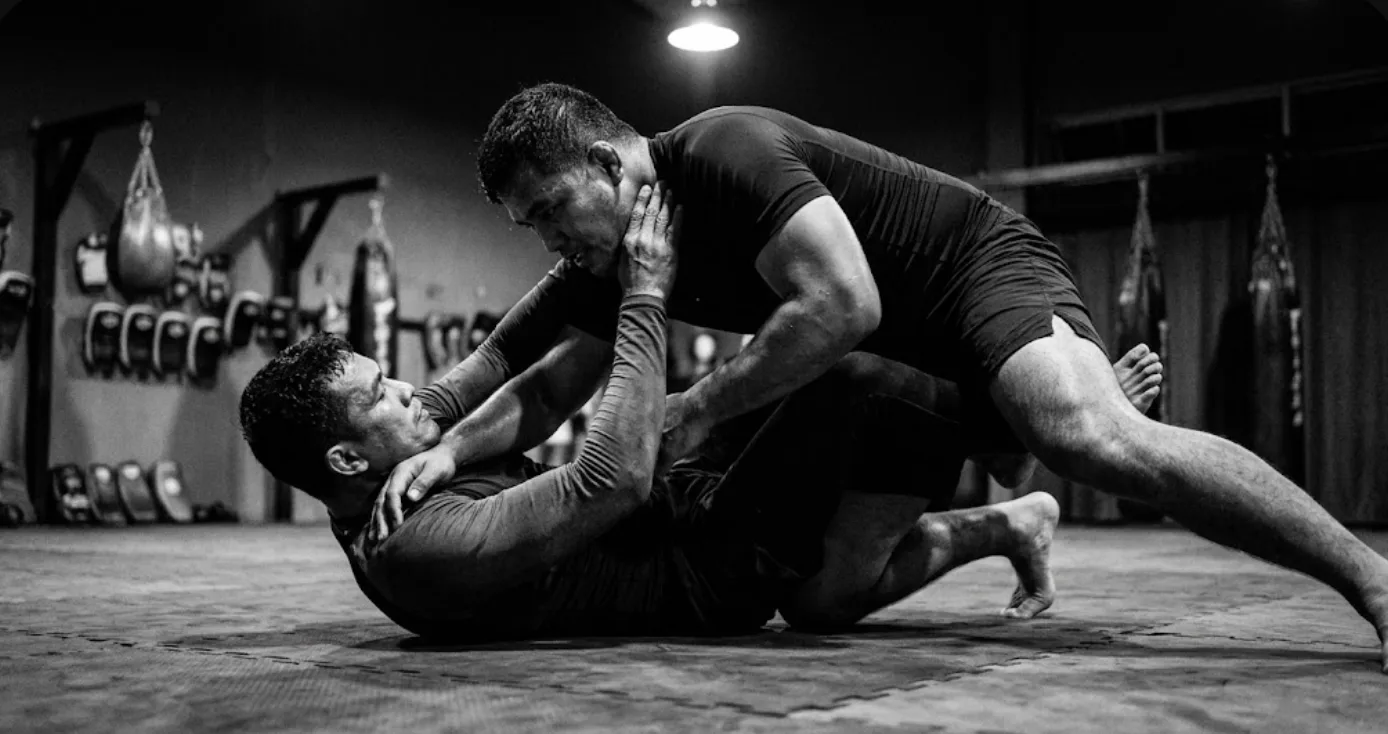
Rash guard, shorts, spats: the whole no-gi uniform in one scramble.
The rash guard: why everyone wears one
A rash guard is a tight, long or short sleeve shirt in polyester-spandex. It does three jobs a t-shirt cannot:
- It keeps your sweat on you. Cotton soaks up sweat and transfers it to your partner. A rash guard wicks it and dries between rounds.
- It protects your skin. Mat burn on elbows and shoulders, and the skin-to-skin contact that spreads ringworm and staph, are both reduced by a layer of fabric that stays in place.
- It does not get grabbed. No-gi means no grips on clothing, and a loose shirt gives your partner an accidental handle. A compression fit gives them nothing.
For your first class, any rash guard works, including a surf one. Once you train regularly, a BJJ rash guard cut for grappling makes a difference: flatlock seams that do not chafe, a longer hem that stays tucked when you are inverted, and 180 GSM or heavier fabric that survives a season of washing. If you are unsure about sizing, read how a rash guard should fit before you order.
Long sleeve or short sleeve
Short sleeve is cooler and the default in hot gyms. Long sleeve covers the forearms, which matters if you get mat burn easily, if your gym has old mats, or if you also train gi and wear it underneath. Most people who train three or more times a week end up owning both.
Shorts: the rules that matter
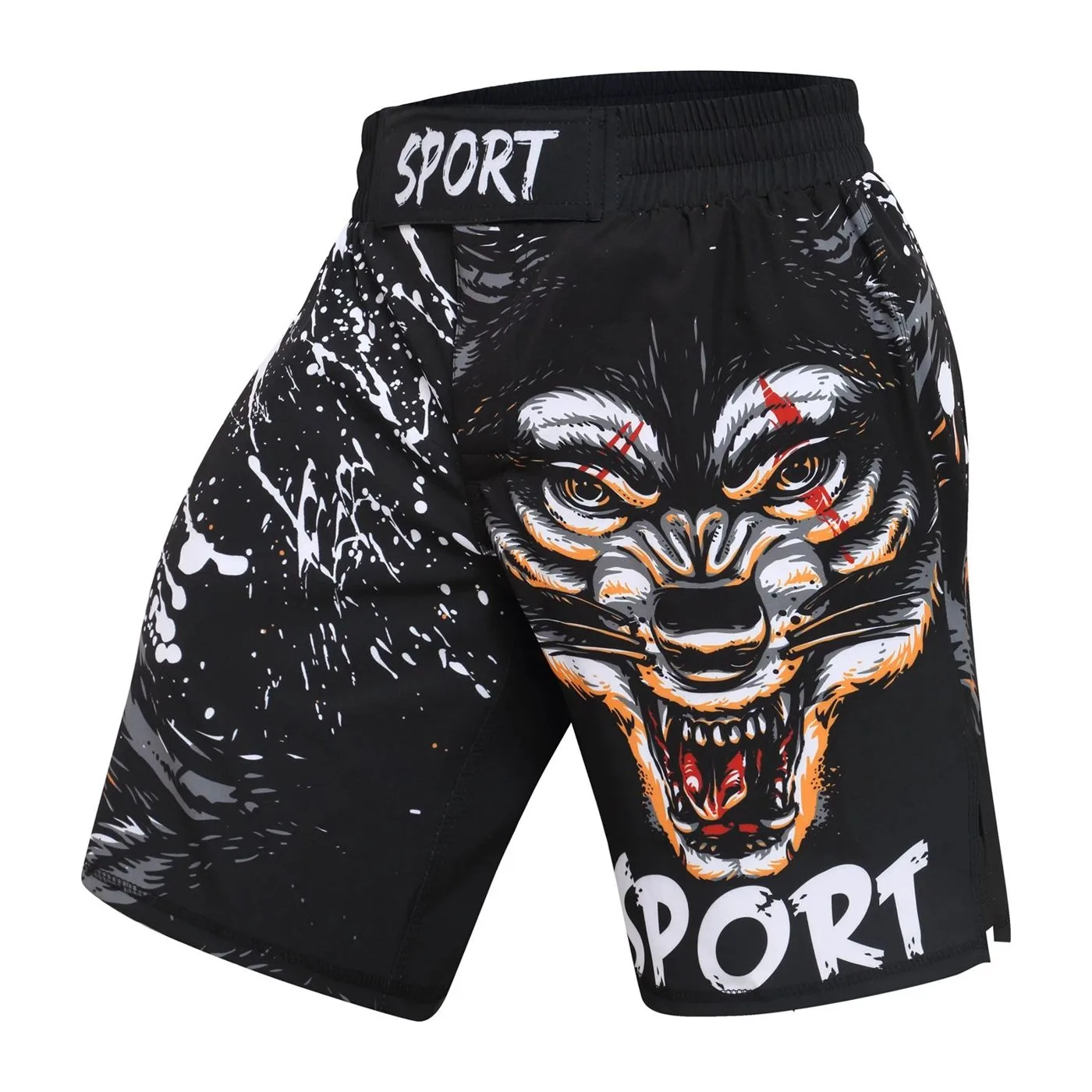
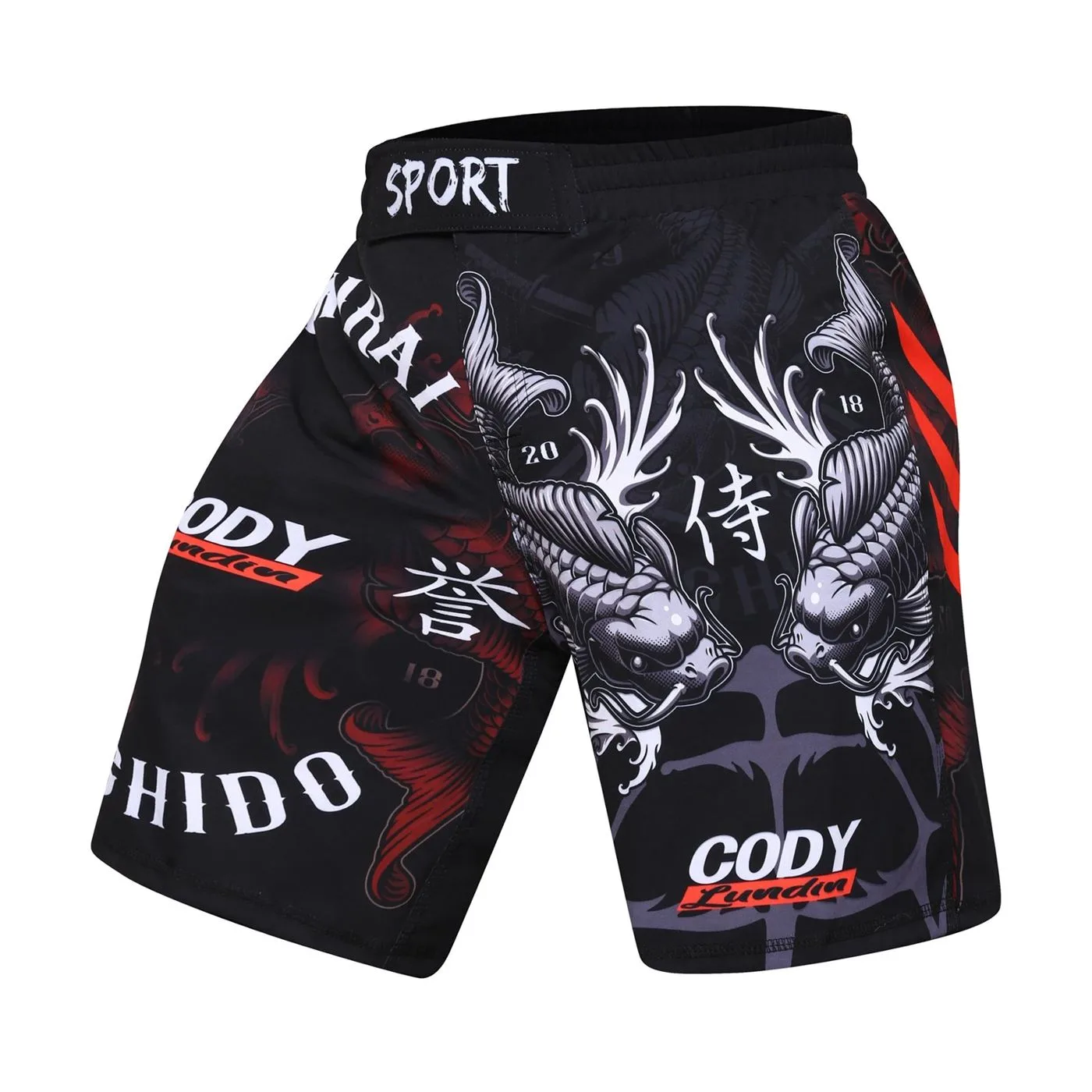
Grappling shorts look like board shorts but are built differently, and the differences are the whole point:
- No pockets. Fingers and toes go into pockets during scrambles. That is how fingers get broken.
- No zippers, buttons, velcro flaps or metal eyelets. They scratch your partner and catch on their rash guard.
- A waistband that stays up. Drawstring inside, flat hook-and-loop closure outside, or a plain elastic band. Nothing that digs in when someone is knee-on-belly.
- Stretch or a split side seam. You need to get your knee to your chest and your leg over someone's head.
Our no-gi grappling shorts and MMA fight shorts follow all four rules. Fight shorts run small compared with US streetwear, so size up. A regular pair of running shorts with a liner is a workable stopgap for a first class if they have no pockets; gym shorts with zip pockets are not.
Spats: optional, useful
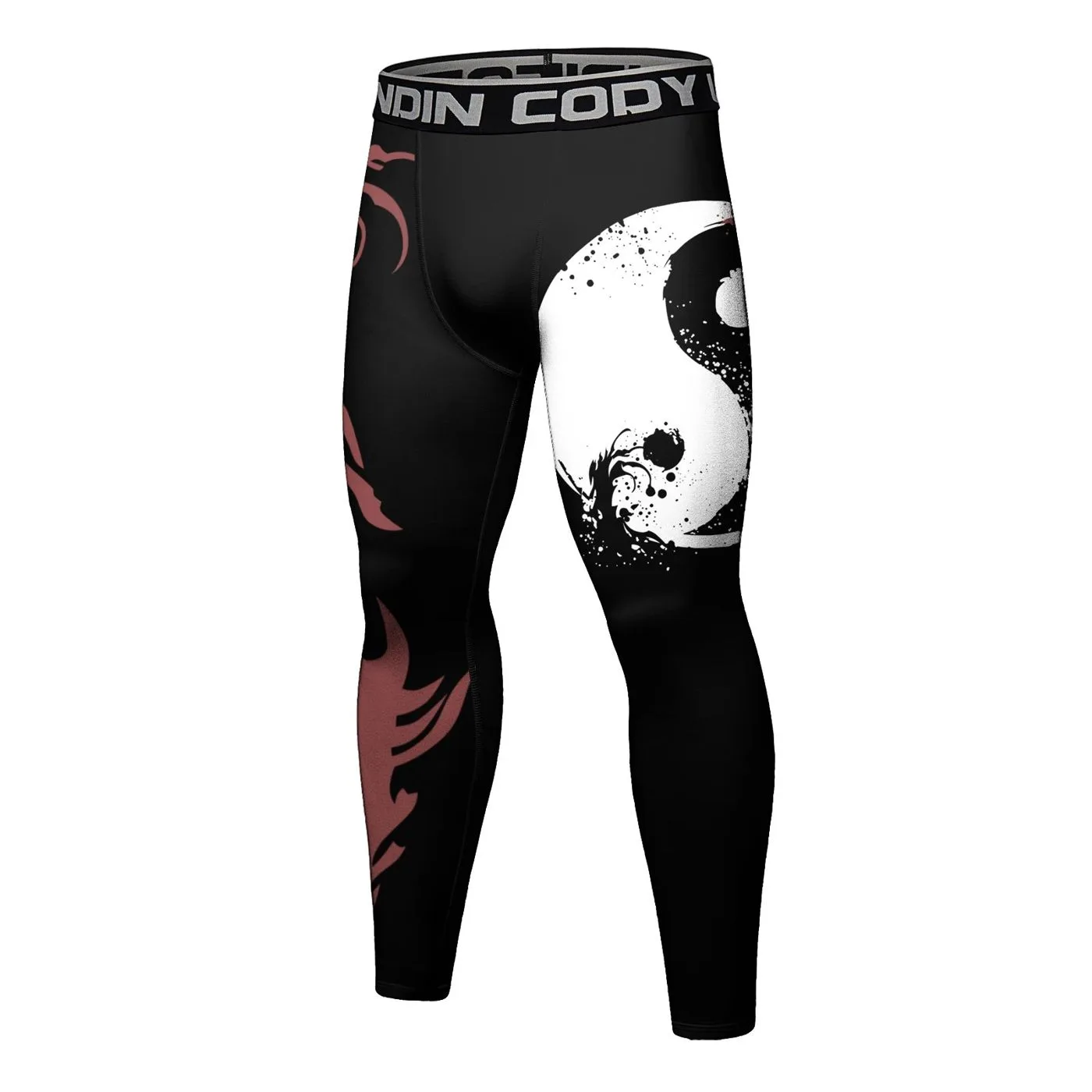
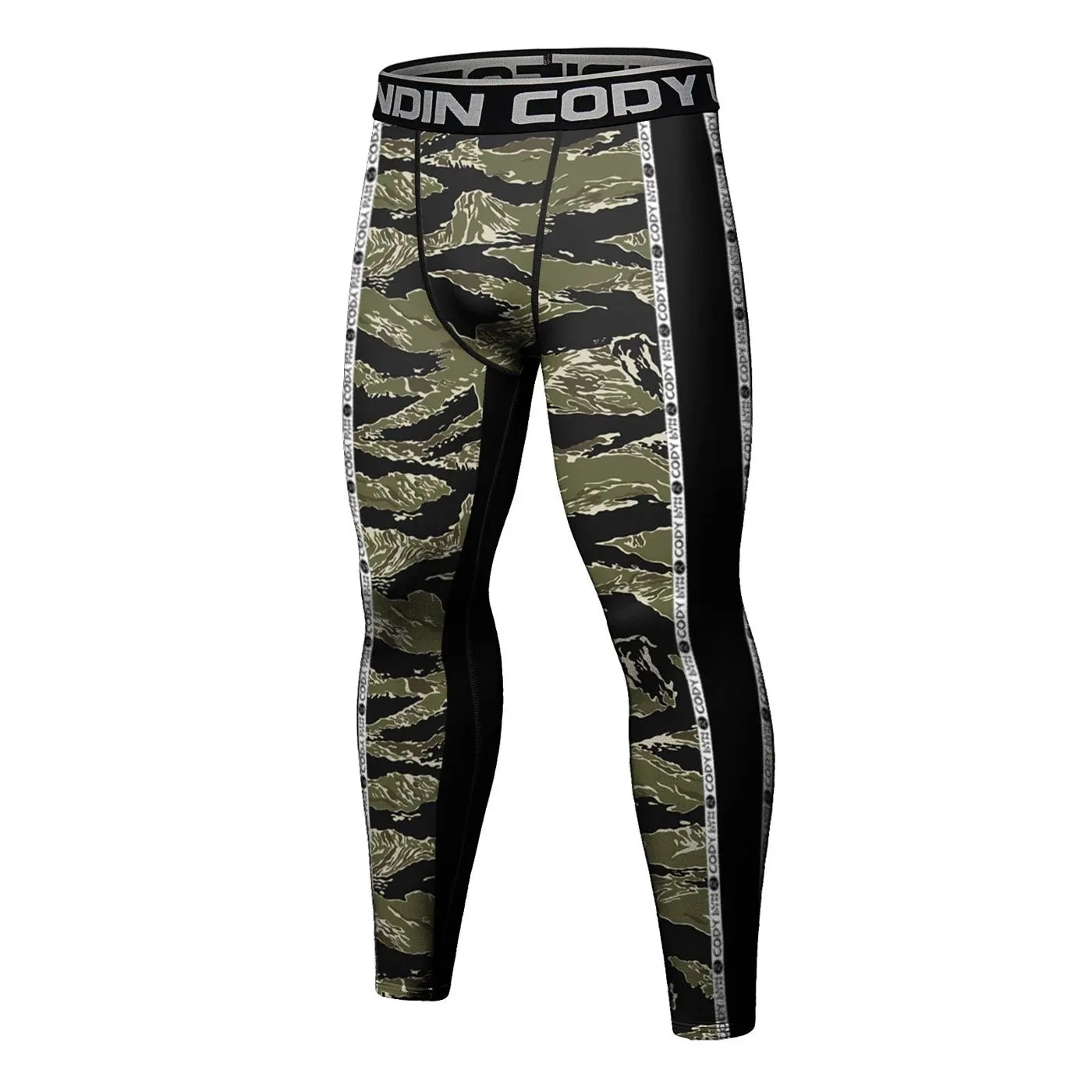
Spats are compression tights worn under shorts or alone. They cover knees and shins, so you get less mat burn, a bit of warmth in a cold room and one more layer between skin and mat. Wrestlers and people with knee sleeves tend to like them. Nobody will look twice if you wear them, and nobody will look twice if you do not. Some gyms ask that men wear shorts over spats; check the house rule.
What else to bring
- A mouthguard. Not technically clothing, but most gyms require one for live rolling and every open mat recommends it. The boil-and-bite mouthguards mold in a few minutes.
- Flip flops. Shoes never go on the mat, bare feet never go off it. Flip flops are how you get from the mat to the bathroom.
- Knee sleeves or knee pads if your knees already complain. Skip them otherwise.
- A roll of finger tape once you start grabbing wrists and collars. You will not need it on day one.
- Water, a towel, and a change of clothes. You will not want to drive home in what you trained in.
What to leave at home
Anything with a pocket or a zipper. Cargo shorts, hoodies, track pants with zip pockets. If it can catch a finger or scratch a face, it stays in the bag.
Jewelry. Rings, watches, necklaces, piercings. A wedding band can deglove a finger in a scramble; take it off or tape it.
Shoes on the mat. Including wrestling shoes, unless your gym specifically allows them for no-gi.
Strong scents. Deodorant yes, cologne no. You are about to be closer to a stranger than you are to most people you know.
A dirty kit. Wash everything after every session, the rash guard inside out on cold. Skin infections spread through dirty gear, and a gym will not let you train in a kit that smells.
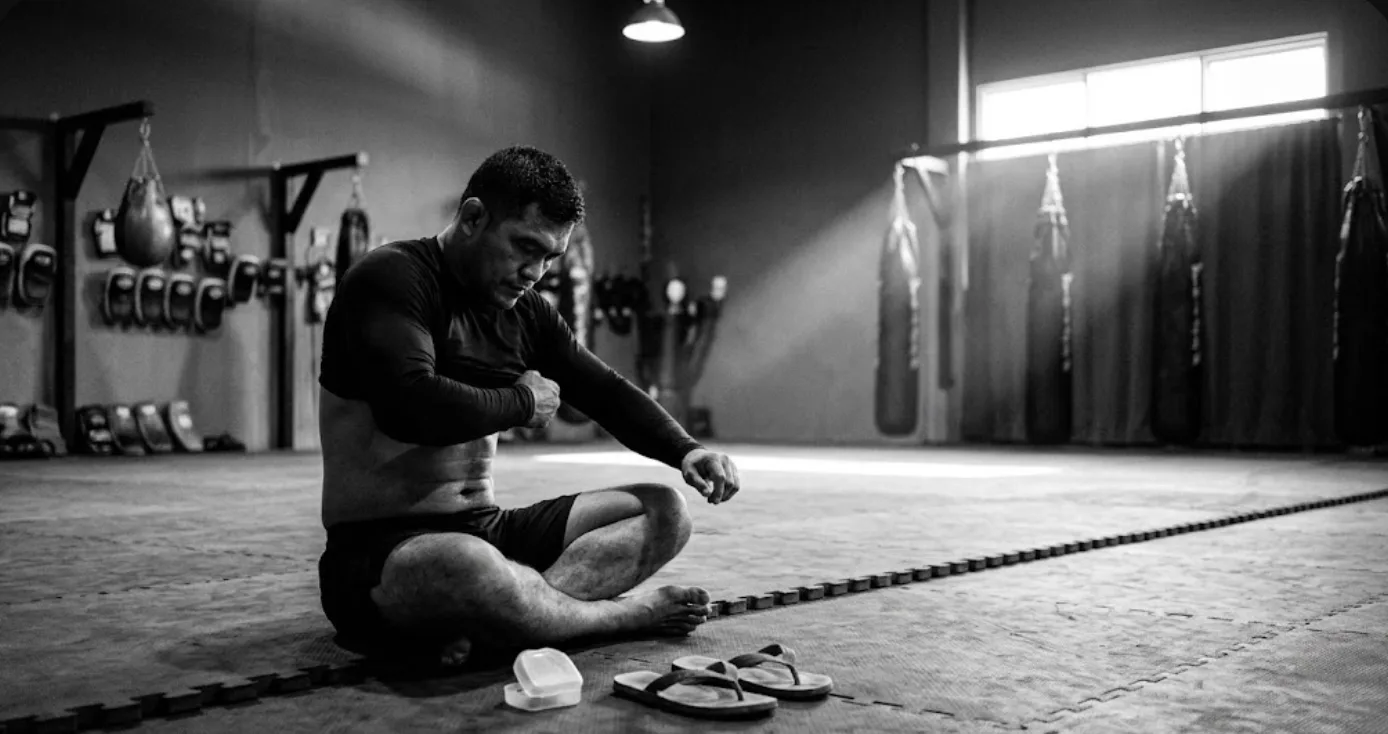
Rash guard, flip flops, mouthguard: ready for a first class.
Dress code for your first no-gi class
If you are reading this the night before your first class, here is the list: any rash guard or tight athletic shirt, shorts without pockets, a mouthguard if you have one, flip flops, water. Trim your nails. That is it. Nobody expects a first-timer to show up in a full kit, and your coach would rather you came in a surf rash guard than not at all. Once you know you are staying, buy the real gear.
Not sure where to train? The no-gi open mat listings show rooms that welcome visitors, and the first open mat guide covers what happens once you are on the mat.
Competition uniform rules (IBJJF no-gi)
If you plan to compete, the main federation has specific no-gi uniform rules, and most local tournaments copy them:
- Rash guard: must be black, white, black and white, or at least 10 percent in the color of your belt rank. Long or short sleeve both allowed. A plain black rash guard is legal at every rank.
- Shorts: black, white, black and white, or belt color. No pockets, no zippers, no plastic or metal. Length between mid-thigh and the knee.
- Spats: allowed under shorts, in the same colors as shorts. Some divisions allow spats alone; read the rulebook for your bracket.
The safest competition kit is a black rash guard and black shorts. It is also the kit most people train in, which is why it is the one we recommend buying first.
Frequently asked questions
Do you need a rash guard for BJJ?
For no-gi, yes in practice: most gyms require it or strongly recommend it, and the alternative, a cotton t-shirt, soaks sweat, gets grabbed and increases skin-to-skin contact. For gi classes a rash guard under the jacket is optional but common.
Can I wear a t-shirt to no-gi BJJ?
For a trial class, a tight athletic shirt is acceptable at most gyms. A loose cotton t-shirt is a bad idea: it gives your partner grips, holds sweat and rides up. Buy a rash guard once you decide to keep training.
What shorts are allowed in no-gi?
Shorts with no pockets, no zippers and no metal. Grappling shorts, MMA fight shorts and Muay Thai shorts all qualify. Running shorts with a liner and no pockets work for a first class. Cargo shorts, basketball shorts with pockets and anything with a zipper do not.
Should men wear spats in BJJ?
It is a personal choice and common at every level. Spats protect knees and shins from mat burn and add warmth. Most gyms are fine with spats alone, some ask for shorts over them. If in doubt, wear shorts over the spats.
What do you wear under grappling shorts?
Compression shorts or spats, or nothing beyond regular underwear. Avoid loose boxers, which bunch up, and anything with a thick seam at the waist that will dig in under pressure.